Powering PrecisionInfrastructure in Canada

A highly detailed, authoritative industry technical resource on the safety, certification, and mechanical constraints separatingResidential, Commercial, and Industrialelectrical supplies. Fully compliant with Canadian Electrical Code updates.

Commercial, Industrial, or Residential Electrical Supplies: What Every Canadian Should Know

When most Canadians hear the term electrical supplies, they visualize wall light switches, household receptacles, or perhaps a box of residential wire in the garage.

However, the actual electrical products engineered for a single-family residential home are vastly different from those used in a busy restaurant kitchen, an office high-rise, a heavy logistics warehouse, a chemical manufacturing facility, or a heavy municipal transport terminal.

Critical Liability Clause: Why This MattersImproperly chosen or mounted electrical elements remain a leading contributor to safety failure hazards, failed inspections, and critical property accidents. Electrical code installations across Canada are governed systematically by theCanadian Electrical Code (CEC)and managed by regional audit inspectors like theElectrical Safety Authority (ESA)in Ontario. Choosing the wrong grade can jeopardize your safety and void project insurance coverages.

This comprehensive technical guide details the structural bounds separating residential, commercial, and industrial classes so that contractors, building maintainers, and Canadian homeowners can select the correct, approved gear for any scale of project.

Download Free Guide

Residential Supplies

Designed for single-family homes, duplexes, secondary suites, and low-load renovations. Focuses on safe everyday operation, simple installation, and clean visual interiors.

  • Standard LED lighting & baseboards
  • Tamper-Resistant (TR) switches
  • Household smoke & CO alarms (Kidde)
  • Home level-2 EV quick-chargers
COMPARATIVE ANALYSIS MATRIX

RESIDENTIAL VS. COMMERCIAL VS. INDUSTRIAL SUPPLIES

Canadian electrical installations must comply with strict criteria outlined by safety authorities. View the comparison criteria below for detailed information about each category.
Feature/Parameter Residential Commercial Industrial
Typical User Homeowner / DIYer & Residential Contractors Business Owners, Commercial Electricians & Facility Managers Industrial Electromechanical Teams, Facility Plant Engineers
Operating Hours Moderate (Intermittent residential loads, ~4-8h peak) High (Continuous commercial fixtures, ~12-24h continuous) Continuous (Round-the-clock heavy equipment, 24/7/365 sustained)
Load Requirements Lower (120V/240V, standard branch circuits up to 200A main service) Medium-High (120V/208V up to 600V, multi-phase systems, up to 1000A+) Very High (600V and up, high-horsepower motors, 3-phase high amperage)
Installation Complexity Simple (Standard conduits, Romex NMD90 wire, easy terminal connections) Moderate (EMT conduit runs, armored wire AC90/BX, fire-rated penetrations) Advanced (Rigid heavy conduit, explosion-proof fittings, complex PLC setups)
Environmental Exposure Controlled (Primarily indoor, dry, climate-controlled environments) Moderate (Dust, grease, humidity in kitchens/warehouses, outdoor signage) Severe (Highly corrosive dust, high vibration, moisture wash-downs, thermal swings)
Product Durability Standard (Consumer-safe plastics, aesthetic focus, 10-15 yr average life) Enhanced (Impact-resistant heavy polycarbonate, steel construction, 20-30 yr life) Heavy Duty (Corrosion-resistant steel/bronze, shock mounts, 30-50+ yr life)
Inspection Requirements Standard (Local municipal or ESA permit, standard single-family criteria) More Extensive (Commercial blueprints audit, ESA log book, strict fire stop codes) Extensive (Special inspection, field evaluations of custom control panels, OSHA/MOL logs)

Why Can't You Just Buy the Cheapest Product?

One of the most common mistakes property owners make is assuming all electrical products are interchangeable.

They are not.

A residential-grade switch may perform perfectly in a home but fail prematurely in a busy commercial environment.

Similarly, installing products that lack proper certification may create inspection issues.

The ESA advises that electrical products sold and installed in Ontario must be approved by an accredited certification organization before use (ESA, n.d.).

What Certifications Should Canadians Look For?

The most commonly recognized certification marks include:

CSA

cUL

cULus

ETL

These marks indicate products have been evaluated against applicable safety standards.

Before purchasing any electrical product, Canadians should verify that appropriate certification markings are present.

Why Professional Buyers Often Choose Different Products

A homeowner purchasing a smoke alarm has different priorities than a contractor outfitting an entire apartment building.

Professional buyers often focus on

  • Reliability
  • Inventory consistency
  • Code compliance
  • Manufacturer support
  • Availability
  • Long-term operating costs

Contractor-grade brands

This is why contractors and facility managers often purchase contractor-grade brands such as:

Klein Tools

Siemens

Leviton

Ouellet

Arlington Industries

Kidde

These brands are widely recognized throughout the electrical industry for their performance and compliance standards.

How Maple Electric Supply Supports Every Buyer Type

One challenge facing Canadians is finding a supplier that understands the needs of multiple customer groups.

Homeowner

  • Lighting upgrades
  • Smoke alarms
  • Heating products
  • EV chargers

Contractor

  • Electrical tools
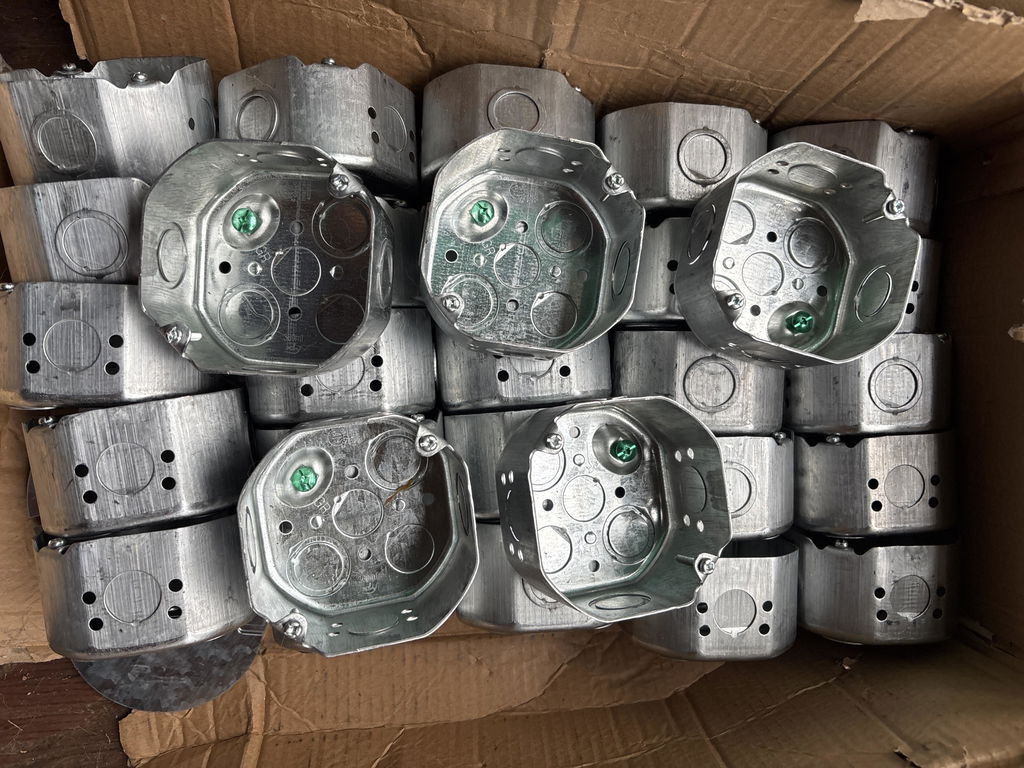
  • Utility boxes
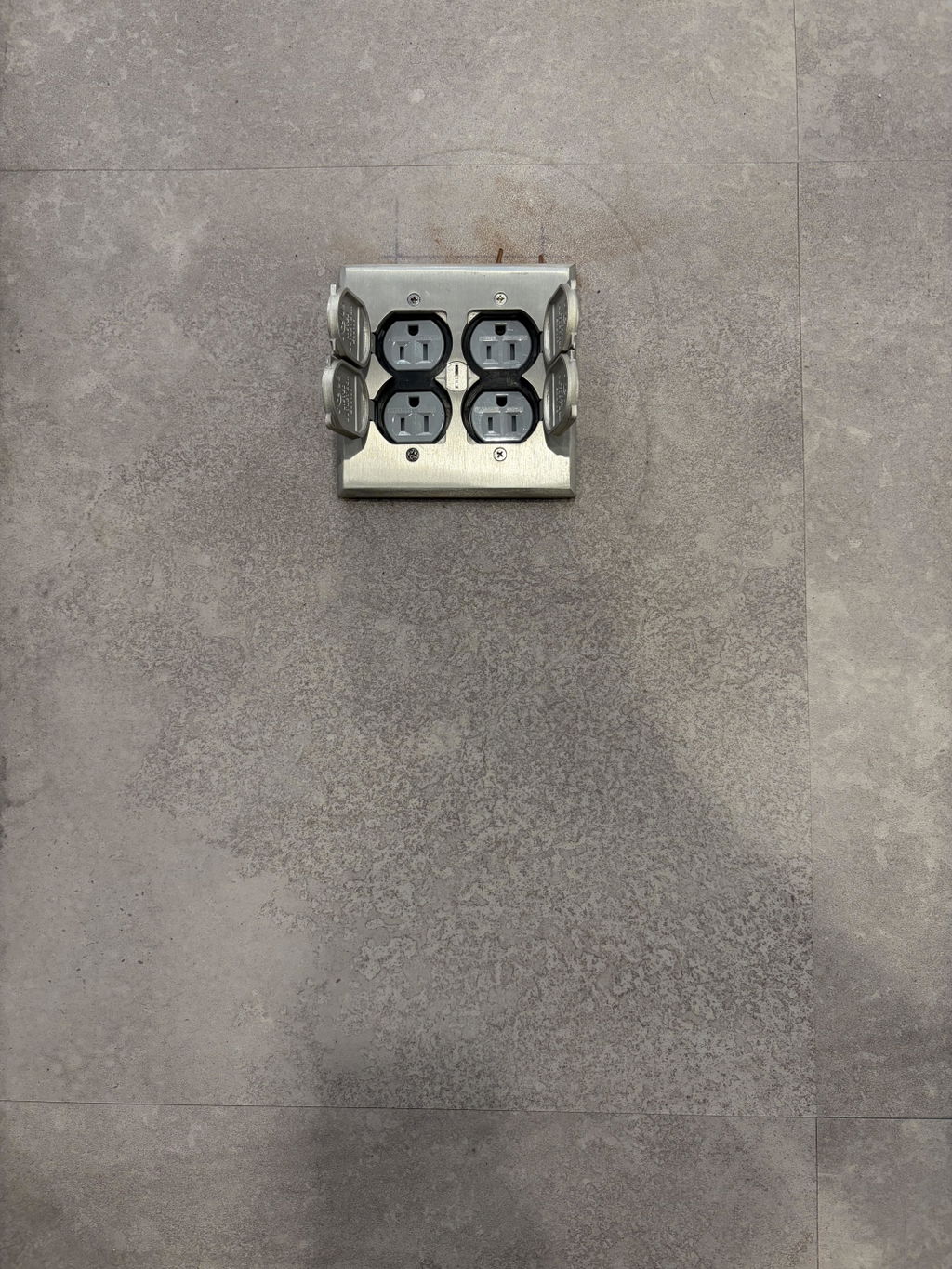
  • Wiring devices
  • Commercial lighting

Industrial buyer

  • Contactors
  • Automation controls
  • Industrial enclosures
  • High-bay lighting

Frequently Asked Questions

Residential products are designed for homes and lower electrical demands, while commercial products are built for higher usage, greater durability, and business environments.

Yes. In many situations, homeowners choose commercial-grade products because they may offer increased durability and longevity.

Not necessarily. Industrial products are designed for specific operating conditions and may be unnecessary for residential applications.

Look for certification marks such as CSA, cUL, ETL, or other marks recognized by provincial electrical authorities.

Often, yes. Commercial spaces typically require lighting solutions designed for longer operating hours, larger areas, and higher efficiency requirements.

Common residential products include:

  • LED lighting
  • Smoke alarms
  • Thermostats
  • Electric heaters
  • Receptacles
  • Switches
  • EV chargers

Many suppliers specialize in one category. Maple Electric Supply offers products across all three categories, helping homeowners, contractors, and facility operators source products from a single Canadian supplier.

References (APA 7th Edition)