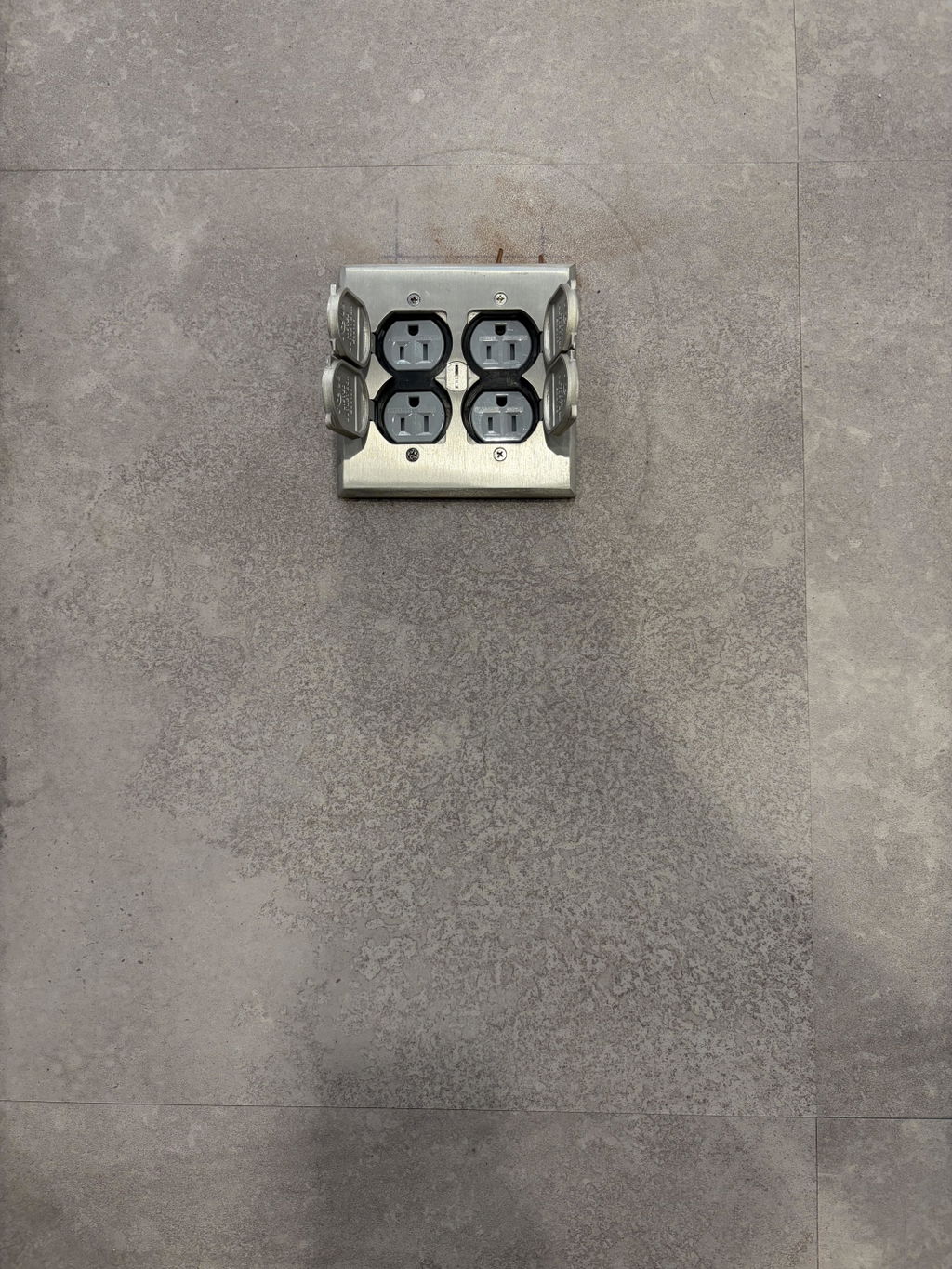
Weatherproof vs Weather-Resistant: What the Labels Mean
Weather-resistant and weatherproof aren't the same thing. Learn the difference between WR receptacles and in-use covers, what "damp" vs "wet" location means, and what to buy for outdoor outlets.


A weather-resistant (WR) receptacle is built to handle damp/exposed conditions, but it is only protected from rain when its cover is closed. A weatherproof "in-use" (bubble) cover keeps an outlet protected for wet locations even while a cord is plugged in. Outdoors, you usually want a WR receptacle and an in-use cover — and outdoor outlets commonly require GFCI protection.
Damp vs wet location (the key distinction)
- Damp: protected from direct rain (e.g., under a covered porch). A WR receptacle with a standard
closing cover may suit.
- Wet: exposed to rain/sprinklers, or something stays plugged in. You need an in-use cover.
Safety note: Outdoor receptacles commonly require GFCI protection and may need a permit. Confirm requirements with a licensed electrical contractor and your local code before installing.
What to check before buying
WR rating stamped on the device · cover type (closing vs in-use) · box rating for outdoor use · gasket quality · whether GFCI protection is provided at the device or upstream.
Shop the products
- Weatherproof boxes & covers (Arlington)
- Electrical boxes
- WR receptacles & devices (Leviton)
- Outdoor lighting
Frequently asked questions
What's the difference between weatherproof and weather-resistant?
Weather-resistant (WR) describes the device itself — a receptacle built with materials and construction that hold up to damp and exposed outdoor conditions. But a WR receptacle is only protected from rain when its cover is closed. "Weatherproof" usually refers to the enclosure: a weatherproof in-use (bubble) cover keeps the outlet protected in a wet location even while a cord is plugged in. Outdoors you typically want both — a WR device inside a weatherproof setup.
Do I need WR receptacles outdoors?
Yes. In Canada, receptacles installed outdoors (and in other damp or wet locations) are required to be weather-resistant type under the Canadian Electrical Code. A standard indoor receptacle is not built for outdoor exposure. Confirm the specific requirements for your installation with a licensed electrical contractor and your local authority.
What is an in-use (bubble) cover, and when is it required?
An in-use cover is a hinged, weatherproof enclosure — often called a bubble cover — that stays sealed against rain even with a cord plugged in. It's required for receptacles in wet locations where a cord may be connected (think a holiday-light outlet or anything exposed to rain or sprinklers). A simple flap cover only protects the outlet when nothing is plugged in, which suits some damp, rain-protected spots but not true wet locations.
Are weather-resistant outlets also GFCI?
Not automatically — WR and GFCI are separate things. WR is about surviving the weather; GFCI is shock protection that trips on a ground fault. Outdoor receptacles commonly require GFCI protection (provided at the device or upstream) and need to be WR, so you often need both. Your licensed electrician will confirm what your installation requires under the CEC.
Can I use indoor outlets outside?
No. Standard indoor receptacles, boxes, and covers aren't built for moisture, temperature swings, or UV exposure and don't meet the code requirement for weather-resistant devices outdoors. Use WR-rated devices in an outdoor-rated box with the correct weatherproof cover, and have the work done by a licensed electrical contractor (ESA in Ontario, RBQ in Quebec).
Send Maple a photo of your outdoor outlet and we'll match the right cover, box, and device.
Ask Maple →