NMD90 vs AC90 Cable: What's the Difference and Which Do You Need?
NMD90 is the common non-metallic indoor cable; AC90 (BX) is flexible metal-armoured cable for where mechanical protection is needed. Here's how they differ, where each is used, and what to check before buying.


Quick Answer
Use NMD90 for concealed, dry, indoor residential wiring. Use AC90 (BX) where you need a flexible armoured cable — exposed locations or where mechanical protection is required. Always confirm the cable type against your application, location, and the Canadian Electrical Code.
Who This Guide Is For
Electricians, apprentices, builders, and renovators choosing residential/commercial cable.
What They Are
- NMD90: non-metallic-sheathed cable; copper conductors in a plastic jacket; dry, concealed
indoor use (e.g., inside walls).
- AC90 (BX): armoured cable; conductors inside a flexible spiral metal jacket; used where
mechanical protection or an exposed run is needed.
Canadian Safety / Approval Notes
This guide is for product education and project planning only. Cable type, location ratings, and installation must follow the Canadian Electrical Code, provincial requirements, and inspection. For installation, consult a Licensed Electrical Contractor. Confirm the cable carries a recognized Canadian approval mark — see our CSA, cUL & ETL guide.
How to Choose
1. Indoor, concealed, dry → usually NMD90. 2. Need mechanical protection / exposed run → AC90 (BX). 3. Wet/outdoor or direct burial → neither; use the correct rated cable (e.g., TECK, underground cable). 4. Match gauge and conductor count to the circuit.
Comparison Table
| NMD90 | AC90 (BX) | |
|---|---|---|
| Jacket | Non-metallic (plastic) | Flexible metal armour |
| Typical use | Dry, concealed indoor wiring | Exposed runs / mechanical protection |
| Flexibility | Flexible | Flexible, more robust |
| Outdoor/wet | No | No (use rated cable) |
Common Mistakes
Using NMD90 where mechanical protection is required · using indoor cable outdoors/wet · wrong gauge or conductor count · assuming an online cable carries a Canadian approval mark.
Related Products
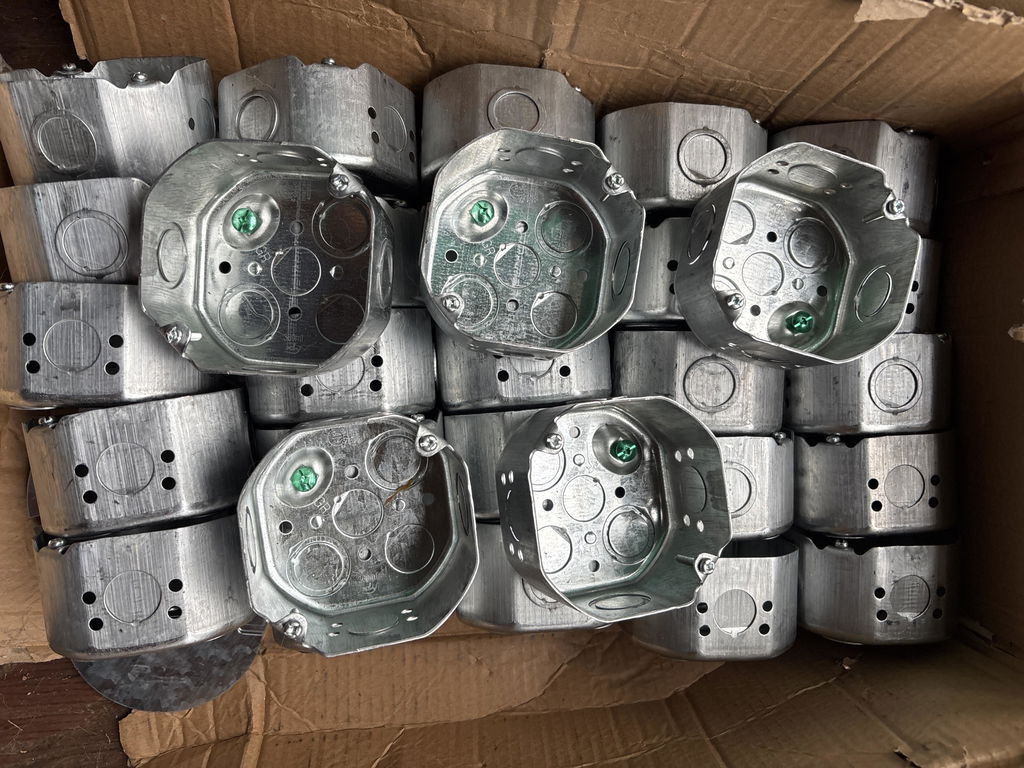
Wire & Cables · Electrical Boxes · Connectors & Fittings (Arlington)
When to Call a Licensed Electrician
For installation and for confirming the correct cable type and method for your location and code.
Frequently asked questions
What's the difference between NMD90 and AC90?
NMD90 is non-metallic-sheathed cable — copper conductors in a plastic jacket — used for dry, concealed indoor residential wiring like inside walls. AC90 (BX) is armoured cable: the conductors sit inside a flexible spiral metal jacket that adds mechanical protection. In short, NMD90 is the standard concealed indoor cable; AC90 is what you reach for when the run is exposed or needs physical protection. Cable selection always has to follow the Canadian Electrical Code for the specific location.
When do I use AC90 (BX) instead of NMD90?
Use AC90 (BX) where you need mechanical protection or where the cable runs exposed rather than buried inside finished walls — situations where a plastic-jacketed cable like NMD90 isn't suitable. The metal armour is the differentiator. The exact requirement depends on the location and the CEC, so confirm the method with a licensed electrical contractor.
Is NMD90 allowed in exposed locations?
NMD90 is intended for dry, concealed indoor wiring, not for exposed runs that need mechanical protection. Where a cable could be subject to physical damage or has to run exposed, an armoured cable such as AC90 or another rated method is typically used instead. Your licensed electrician and the CEC determine what's permitted for a given install.
Can NMD90 be run outdoors or underground?
No. NMD90 is a dry-location indoor cable — it is not rated for wet locations, outdoor exposure, or direct burial. For those applications you need a cable rated for the conditions, such as TECK cable or an approved underground type. Match the cable to the environment and confirm against the Canadian Electrical Code.
Which cable do I need for my project?
It depends on the location (dry/wet, concealed/exposed), whether mechanical protection is required, and the gauge and conductor count for your circuit — and it must follow the Canadian Electrical Code and pass inspection. We can help you match the product, but the correct cable type and installation method should be confirmed by a licensed electrical contractor (ESA in Ontario, RBQ in Quebec).
Sources and Further Reading
- CSA Group product listing — https://www.csagroup.org/testing-certification/product-listing/
- Electrical Safety Authority (Ontario) — https://esasafe.com/
- Manufacturer cable datasheets
Not sure which cable your job needs? Send Maple your application — we'll point you to the right NMD90, AC90, or rated alternative. Ask Maple →
Ask Maple →