Electrical Panel & Breaker Basics (Canada): Capacity, Slots & Upgrades
Understand your electrical panel — 100A vs 200A, slots and tandem breakers, when you need an upgrade for an EV charger, reno or electric heat, and why panel and breaker work always needs a licensed electrician and ESA permit.

Your panel is rated in amps — commonly 100A or 200A in Canadian homes — and has a limited number of slots for breakers. Adding an EV charger, electric heat, or a big reno may need a load calculation and possibly a panel upgrade. All panel and breaker work requires a licensed electrician and an ESA permit.
Who this guide is for
Homeowners planning a project — an EV charger, a renovation, electric heat, or a hot tub — who want to understand their panel before they call an electrician or order parts. Maple is a supply house: we help you source the right breakers and gear. We do not install them, and nothing here is a do-it-yourself instruction to open or work inside a panel.
This guide is for product education and project planning only. Opening, working inside, or installing breakers in an electrical panel is dangerous and must be done by a Licensed Electrical Contractor under an ESA permit (or your provincial equivalent, such as the RBQ in Quebec), following the Canadian Electrical Code and the manufacturer's instructions. Gadi Hamou is a product and sourcing expert, not a licensed electrician — for anything touching the panel, your authority having jurisdiction and your electrician have the final word.
How do I read my panel (amps and slots)?
Two numbers tell you most of what you need for planning:
- Service amperage — the overall rating of your panel and incoming service, printed on the main breaker and the panel label. In Canadian homes this is most commonly 100A or 200A.
- Slots (spaces) — the number of physical positions the panel has for breakers. A full panel with no free, code-compliant spaces limits what you can add without changes.
You can usually read the amperage and the panel brand from the label without opening anything. Confirming actual available capacity and free spaces, and whether a circuit can be added safely, is your electrician's job — not a number you should act on alone.
100A vs 200A — do I have enough capacity?
Amperage is a budget. A 100A service has been standard in many older homes; 200A is common in newer and larger homes and leaves more headroom for high-draw additions. Whether your panel has room for a new load isn't answered by the headline number alone — it depends on everything already connected and how it's used, which is exactly what a load calculation (done by a licensed electrician per the Canadian Electrical Code) determines. Don't assume a 200A panel automatically has room, or that a 100A panel automatically doesn't.
What are tandem / half-height breakers?
Tandem (also called half-height, slimline, or duplex) breakers fit two circuits into the space of one standard breaker, which can add circuits when slots are tight. They are not a universal fix:
- A panel only accepts tandems in the positions the manufacturer allows — many positions are rated for full-size breakers only.
- The breaker must be the exact type and brand listed for your panel.
- Tandems add circuits, not amperage — they don't increase your service capacity.
Whether your panel can take tandems, and where, is determined by the panel's listing and your electrician — not by what physically clicks in.
When do I need a panel upgrade?
Common triggers for a load calculation and a possible service or panel upgrade include:
| Added load | Why it matters | Capacity consideration |
|---|---|---|
| EV charger (Level 2) | Large, sustained draw on a dedicated circuit | Often the load that pushes a 100A service to its limit; may need a load calc or upgrade |
| Electric range / oven | High-amperage 240V appliance | Significant block of capacity; verify free spaces and headroom |
| Electric heat (baseboard / furnace) | Large continuous seasonal load | Can dominate a load calculation; common upgrade trigger |
| Hot tub / spa | Dedicated 240V circuit, often with required protection | Adds a sizable load plus a dedicated circuit and slots |
| Major renovation / addition | Multiple new circuits at once | May exhaust slots and capacity together; plan the panel early |
These are planning prompts, not thresholds. The numbers — whether you need an upgrade, and to what — come from a licensed electrician's load calculation, not from a guide.
Why you shouldn't mix breaker brands
Breakers are not universally interchangeable. A panel is tested and listed to work with specific breaker types and brands, and a breaker that merely fits the busbar is not the same as one that's listed for that panel. Using an unlisted or mismatched breaker is unsafe, voids the listing, and won't pass inspection. Always match the breaker to your panel's brand and type — check the panel label and the manufacturer's compatibility documentation, or send Maple your panel brand and we'll help you source the correct listed product.
Do I need a permit and an electrician?
Yes — always, for panel and breaker work. Panel changes, service upgrades, and breaker installation are not homeowner tasks. In Ontario this means a Licensed Electrical Contractor and an ESA permit; other provinces have their own permitting and inspection (for example, the RBQ in Quebec). The work must follow the Canadian Electrical Code and pass inspection. Maple supplies the breakers and gear; your licensed electrician does the calculation, the install, and the permit.
How Maple helps you plan
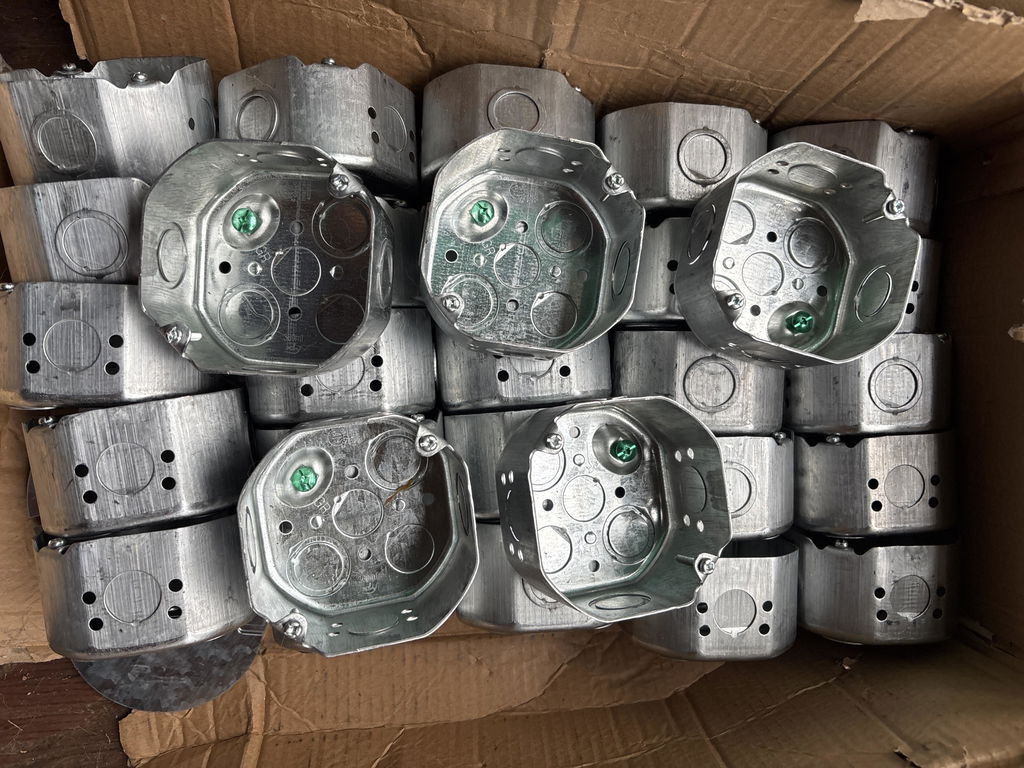
Send us your panel brand, service amperage, and what you're adding, and we'll help you source the correct listed breakers and gear so your electrician has the right parts on hand. We carry Siemens breakers and panels and electrical utility boxes and enclosures. We don't perform load calculations or installations — those stay with your licensed electrician.
Frequently asked questions
How do I tell if I have a 100A or 200A panel?
The service rating is printed on the main breaker and on the panel's label — commonly 100A or 200A in Canadian homes — and you can usually read it without opening anything. The headline number tells you the overall budget, but not whether there's room for a specific new load; that takes a load calculation by a licensed electrician. If you're unsure, send Maple a photo of the label and we can help you identify the panel brand for sourcing.
Will a tandem breaker let me avoid a panel upgrade?
Sometimes a tandem (half-height) breaker frees up a slot, but it only adds circuits — it doesn't add amperage, and a panel only accepts tandems in the positions the manufacturer allows. If your real constraint is service capacity rather than slots, a tandem won't solve it. Whether a tandem is permitted in your panel, and where, is determined by the panel's listing and your licensed electrician.
Do I need a panel upgrade for an EV charger?
Maybe. A Level 2 EV charger is a large, sustained load and is often what pushes a 100A service to its limit, but whether you need an upgrade depends on your full load calculation — done by a licensed electrician per the Canadian Electrical Code. Don't assume; have the calculation done first. Maple can supply the breaker and gear once your electrician confirms what the panel needs.
Can I add or change a breaker myself?
No. Maple is a supply house, not an electrical contractor, so we don't give wiring or panel instructions. Adding or changing a breaker means working inside a live panel — dangerous electrical work that must be done by a Licensed Electrical Contractor under the required permit (in Ontario, an ESA permit). We help you choose and source the correct listed breaker; your electrician installs it.
Why can't I just use any breaker that fits?
Because fitting isn't the same as being listed. A panel is tested and approved to work only with specific breaker types and brands, and using an unlisted or mismatched breaker is unsafe, voids the panel's listing, and won't pass inspection. Match the breaker to your panel's brand and type using the panel label and the manufacturer's documentation — or send Maple your panel brand and we'll help you source the correct product.
Sources and further reading
- Electrical Safety Authority (Ontario): esasafe.com
- Canadian Electrical Code (CSA C22.1) — current edition and provincial amendments
- Manufacturer (Siemens) breaker/panel compatibility documentation
- CSA Group product listing: csagroup.org/testing-certification/product-listing
Planning an EV charger, reno, or new circuit? Send Maple your panel brand and service amperage and we'll help you source the right listed breakers and gear — your electrician handles the load calc and install. Ask Maple
Ask Maple →